
Long Distance Caregiving Best Practices
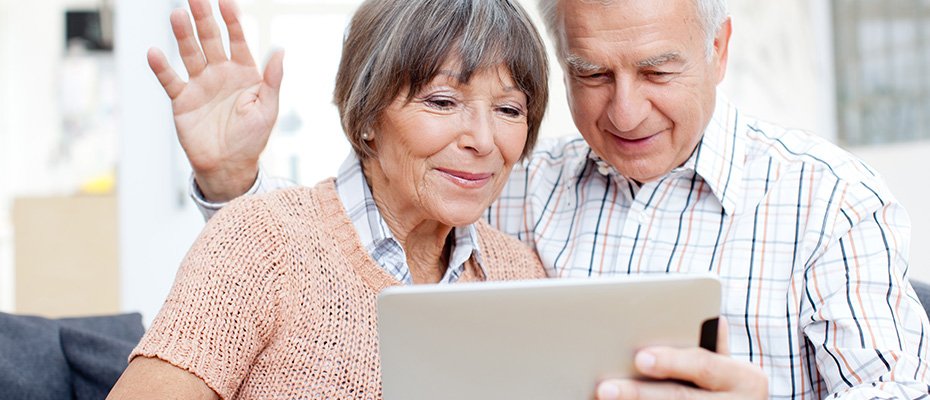
In today’s world, many families are geographically spread apart, which can make it difficult to feel involved when a loved one is in need. Long-distance caregiving can present unique challenges. When you are caring for a loved one from a distance, it can be difficult to feel informed and assured that the person in need is in capable hands and that their needs are being met. While living at a distance can complicate caregiving, there are fortunately plenty of resources nowadays that can be helpful to you and your family. If you find yourself in a long-distance caregiving role, here are some tips to consider.
Stay Connected
You and other family members (if applicable) should discuss what your loved one needs, who can help, and in what ways. The burden of caregiving can be strenuous if only one person takes on the responsibility, so make sure to involve everyone who is able to contribute to avoid caregiver burnout. Communicating on a regular basis is important, either in-person, by phone, email or video chat. Keep in mind that these meetings and discussions are encouraged when there isn’t an emergent situation or urgent need to delegate tasks. If possible, also try to involve your elderly loved one so that they can voice their concerns, wants and needs.
Consult a Geriatric Care Manager
Geriatric care managers are licensed nurses or social workers who specialize in elderly care, so they can assist in assessing your loved one’s needs. They act as a “professional relative” and a form of neutrality helping families navigate through all aspects of caregiving- such as assistance with making long-term and short-term care plans, hiring a team of caregivers/medical professionals, providing guidance with care transitions and also offering emotional support.
Hire Outside Help
These days, it can be difficult to juggle work, caring for your immediate family and supporting an elderly loved one. If you are not able to carry out those tasks yourself, there are lots of senior resources that can help with everyday tasks. An in-home caregiver can assist with medication reminders, bathing, mobility and housekeeping. If meals and cooking are of concern, many of these professionals will assist with meal preparation, but keep in mind, most of them are not food-service professionals. If you have a loved one who needs assistance with meals or needs meals that are diet-specific, a meal service like Chefs for Seniors can be a great resource and ensure that they are eating regular, healthy meals. Having a service provider in the home is also another set of eyes that can check in on them and contact you if they see or suspect anything concerning.
Make Sure Your Loved One Has Means of Communicating
If your elderly family member lives independently, it is necessary that they have an easy way to call for help in the case of an accident, like a fall or injury. This can be either be a cell phone that they carry with them (there are many models now that are designed for older adults that are more user-friendly) or even an emergency call button that you can wear on your neck or wrist to call 911 in an emergency. Even in non-urgent situations, it’s important that you check in with your elderly loved one on a weekly or even daily basis either by phone or video call to make sure their needs are being met.
Stay Organized
When you become a primary caregiver, you may find yourself with the responsibility of organizing and keeping track of your loved one’s personal, financial, health and legal records. Maintaining current information about their health, medical care, finances, etc. can help you get a solid understanding on what their current state is and allows you to respond more quickly if there is a crisis. It is also important to have contact information for local clinics/hospitals in their area, caregiving services and other emergency resources in case they are needed.

